
How To Remove Mold From Leather Couch
●
Are you frustrated by the presence of mold on your leather couch? Don’t worry, we’ve got you covered! In this article, we will guide you through the process of removing mold from your beloved leather couch.
First things first, it’s important to identify the affected areas before diving into the cleaning process. Once that’s done, prepare a cleaning solution using household items and test it on a small hidden area to ensure it won’t damage the leather.
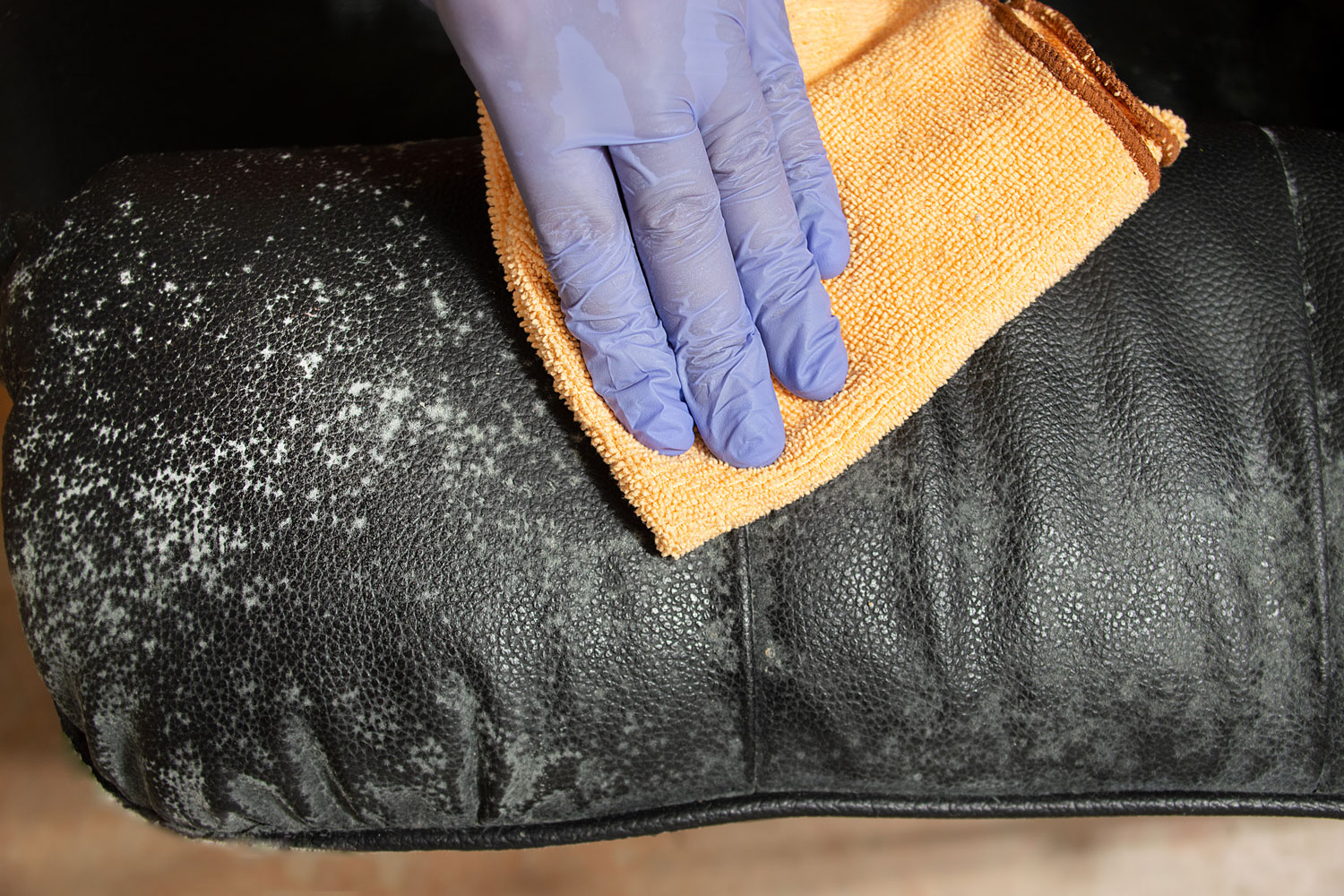
Armed with your solution, gently wipe away the moldy areas using a soft cloth. For stubborn mold, a soft bristle brush can be used.
To prevent future growth, regular cleaning and maintenance are key. However, if you’re dealing with a severe case of mold infestation, professional cleaning might be necessary.
By following these steps, you’ll soon enjoy a clean and mold-free leather couch once again!
Key Takeaways
- Identify the affected areas by checking the entire surface of the leather couch and looking for signs of dampness, spotting, unusual textures, or discoloration.
- Prepare a cleaning solution by mixing equal parts distilled water and white vinegar, along with a few drops of mild detergent.
- Perform a patch test on a small, hidden area of the leather couch to ensure that the cleaning solution does not cause any adverse reactions.
- Gently wipe the moldy areas with a soft cloth dampened with the cleaning solution, and use a soft bristle brush for stubborn mold. Regularly clean and maintain the leather couch to prevent future mold growth.
Identify the Affected Areas
Take a close look at your leather couch, feeling for any dampness or spotting that may indicate the presence of mold. Start by checking the entire surface of the couch, including the cushions and any crevices or seams. Mold thrives in moist environments, so pay extra attention to areas that may have been exposed to water or excessive humidity.
To identify the affected areas, use your hands to feel for any unusual textures or discoloration on the leather. Mold often appears as fuzzy patches with green, black, or white spots. You may also notice a musty odor coming from the affected areas. If you find any suspicious spots or smell anything unpleasant, it’s likely that mold has taken hold on your leather couch.
Once you’ve identified the areas where mold is present, it’s important to act quickly to prevent further growth and damage. Mold can spread rapidly and cause health issues if left untreated. Take immediate action by isolating the affected areas and keeping them away from other furniture or fabrics in your home.
Remember to wear protective gloves and a face mask while handling mold-infested surfaces to avoid inhaling spores or spreading them around unintentionally. It’s crucial to take precautions when dealing with mold to ensure your safety and minimize its impact on your health.
By identifying the affected areas promptly, you can move onto treating and removing the mold effectively. Taking these initial steps will set you up for success in restoring your leather couch back to its clean and pristine condition.
Prepare the Cleaning Solution
First, gather all the ingredients needed for your powerful cleaning solution. You will need distilled water, white vinegar, and a mild detergent like dish soap. These ingredients are effective in removing mold from leather without causing any damage.
To create the cleaning solution, mix equal parts distilled water and white vinegar in a bowl or bucket. For example, you can use 1 cup of each ingredient. Then add a few drops of mild detergent to the mixture and stir well.
| Ingredient | Quantity |
|---|---|
| Distilled Water | 1 cup |
| White Vinegar | 1 cup |
| Mild Detergent (dish soap) | A few drops |
The distilled water helps prevent any impurities or minerals from staining the leather during the cleaning process. The acidic properties of white vinegar help kill mold spores while also deodorizing the couch. The mild detergent aids in breaking down any dirt or grime that may be present.
Once you have prepared your cleaning solution, it’s time to move on to the next step: applying it to the affected areas of your leather couch.
Test the Solution on a Small, Hidden Area
Before diving into the cleaning process, it’s essential to perform a small patch test on an inconspicuous area to ensure the solution won’t cause any damage. This step is crucial because different leather types may react differently to cleaning solutions. By testing the solution on a hidden spot, you can avoid any potential harm or discoloration that could result from using the wrong cleaner.
To begin, choose a small area of your leather couch that is not easily visible, such as under a cushion or behind the backrest. Mix the cleaning solution according to the instructions provided and apply a small amount onto a clean cloth. Gently rub this cloth onto the chosen test area in circular motions.
Observe how the leather reacts to the cleaning solution. If you notice any adverse effects such as discoloration, staining, or deterioration of the material, stop immediately and do not continue using that particular cleaner. Instead, try seeking professional advice or consulting with a leather specialist for alternative solutions.
On the other hand, if there are no negative reactions from the leather after applying and rubbing in the cleaning solution, it’s safe to proceed with confidence knowing that it won’t harm your couch. Remember to always follow label instructions when using any product on your leather furniture.
By taking this precautionary measure of performing a patch test before tackling larger areas of your leather couch for mold removal, you can ensure that your cleaning process will be effective without causing any additional damage or issues with your beloved piece of furniture.
Gently Wipe the Moldy Areas with a Soft Cloth
Next, gently wipe the affected areas using a soft cloth to maintain the integrity and beauty of your cherished furniture. Mold can be stubborn, but with gentle wiping, you can effectively remove it without causing any damage.
Start by dampening the cloth slightly with a mixture of mild soap and warm water. Make sure not to use too much water as leather is sensitive to moisture.
Once the cloth is slightly dampened, begin wiping the moldy areas in a circular motion. Apply gentle pressure and continue until you see the mold loosening up. Be careful not to scrub too hard as this may cause discoloration or damage to the leather. Take your time and be patient; it’s better to repeat this process than rush and risk harming your couch.
As you wipe, periodically rinse out the cloth in clean water to remove any mold residue that may have transferred onto it. This will prevent cross-contamination and ensure that you’re effectively removing all traces of mold. Remember to wring out excess water from the cloth before continuing.
After thoroughly wiping all visible mold, allow the leather couch to air dry completely before applying any additional treatments or products. This will help prevent further growth of mold and ensure that your efforts are long-lasting.
Remember, prevention is key! Regularly cleaning and maintaining your leather couch will help minimize the chances of mold growth in the future. Keep an eye out for any signs of moisture or humidity in your home, as these conditions can promote mold growth on furniture.
By following these steps, you’ll be able to safely remove mold from your leather couch while preserving its quality and appearance for years to come.
Use a Soft Bristle Brush for Stubborn Mold
To effectively tackle stubborn mold, you’ll need to gently brush the affected areas using a soft bristle brush. Mold can sometimes be persistent and difficult to remove, especially if it has been allowed to grow for a long time. This is where a soft bristle brush comes in handy.
Start by inspecting the affected areas of your leather couch. Look for any visible signs of mold or mildew growth. Once you’ve identified these areas, grab your soft bristle brush and begin gently brushing the surface.
Make sure to use light pressure while brushing so as not to damage the delicate leather material. Move the brush in circular motions, focusing on the moldy spots. The goal is to loosen and remove as much of the mold growth as possible without causing any further damage.
As you brush, you may notice that some mold particles become airborne. To prevent spreading them around your home, it’s important to have proper ventilation in the room or work outside if weather permits. You can also consider wearing a protective mask to avoid inhaling any potentially harmful spores.
After brushing all of the affected areas thoroughly, take a clean cloth dampened with warm water and wipe away any remaining residue or loose mold particles from the surface of your leather couch. Be sure not to saturate the leather with water as this can cause further damage.
Once you’ve completed these steps, allow your leather couch to air dry completely before using it again. Regularly inspect your couch for any signs of recurring mold growth and address it promptly if necessary.
By following these simple steps and using a soft bristle brush, you can effectively tackle stubborn mold on your leather couch and restore its cleanliness and beauty once again!
Rinse the Cloth and Repeat the Process
After thoroughly brushing the affected areas, make sure to rinse the cloth and repeat the process to ensure all residue and loose particles are removed from the surface. This step is crucial in fully eliminating mold from your leather couch. By rinsing the cloth, you can get rid of any remaining cleaning solution or mold spores that may have accumulated on it during the brushing process.
To effectively rinse the cloth, use clean water and make sure it is damp but not soaking wet. Wring out any excess water to avoid oversaturating your leather couch. Start by gently wiping down the previously brushed areas with the damp cloth. Be thorough but gentle to prevent any damage to your couch.
Once you have wiped down all the affected areas, take a look at your cloth. If you notice any visible mold or dirt on it, rinse it again under clean running water before repeating the process. This will ensure that you are not spreading any mold spores onto other parts of your leather couch.
To help visualize this step-by-step process, here’s a table that outlines each action:
| Step | Action |
|---|---|
| 1 | Thoroughly brush affected areas |
| 2 | Rinse cloth with clean water |
| 3 | Wipe down previously brushed areas with damp cloth |
| 4 | Check cloth for visible mold or dirt |
| 5 | Repeat steps 2-4 if necessary |
By following these simple steps and incorporating regular cleaning into your maintenance routine, you can keep your leather couch free from mold and prolong its lifespan. Remember to always test any cleaning solutions on a small inconspicuous area before applying them to larger portions of your couch.
Allow the Leather to Dry Completely
Once you’ve finished wiping down the affected areas, it’s important to give the leather ample time to dry completely. Mold tends to thrive in damp environments, so ensuring that the leather is thoroughly dry will help prevent any lingering spores from regrowing.
To assist you in this process, here are four easy steps to follow:
- Open windows or turn on fans: Increasing air circulation can aid in drying out the leather faster. By allowing fresh air to flow through the room, you’ll be expediting the drying process.
- Use a clean and absorbent cloth: After wiping down the leather couch with a solution of mild soap and water, use a separate clean cloth to blot away any excess moisture. This will absorb any remaining liquid and encourage quicker drying.
- Avoid direct sunlight: While sunlight may seem like a natural way to dry out your leather couch, it can actually cause discoloration or cracking. Instead, place the couch in a well-ventilated area away from direct sunlight.
- Patience is key: Leather takes time to dry naturally and rushing this process may lead to further damage. Allow at least 24 hours for the leather couch to dry completely before using it again.
By following these steps, you’ll ensure that your leather couch remains mold-free while also maintaining its quality and appearance. Remember, prevention is always better than cure when it comes to mold growth on your beloved furniture!
Apply a Leather Conditioner or Protector
Now that you have allowed the leather to dry completely, it’s time to take the next step in removing mold from your leather couch. The current subtopic we will be discussing is applying a leather conditioner or protector.
Applying a leather conditioner or protector is crucial in maintaining the quality and longevity of your leather couch. Not only does it help prevent future mold growth, but it also keeps your couch looking fresh and supple.
To begin, choose a high-quality leather conditioner or protector specifically designed for mold removal and prevention. These products often contain special ingredients that can effectively eliminate any remaining mold spores while nourishing the leather at the same time.
Using a soft cloth, apply an even layer of the conditioner or protector to the affected areas of your couch. Make sure to follow the manufacturer’s instructions for application and drying times. Gently massage the product into the leather using circular motions, allowing it to penetrate deep into its fibers.
Once applied, let the conditioner or protector sit on your couch for several hours or overnight if possible. This will allow ample time for it to soak in and work its magic on both eliminating mold and restoring moisture to your leather.
Afterward, use a clean cloth to wipe away any excess product from the surface of your couch. You may notice an immediate improvement in how your couch looks and feels – softer, smoother, and protected against future mold growth.
Remember, regular maintenance is key when it comes to keeping mold at bay on your beloved leather couch. So make sure to repeat this process periodically as recommended by experts in order to maintain its pristine condition for years to come.
Prevent Future Mold Growth
To ensure the long-lasting beauty and durability of your cherished leather sofa, take proactive steps to keep mold from returning and spoiling your investment. While removing existing mold is important, preventing future growth is equally crucial. Here are some effective tips to help you in this endeavor.
- Maintain a clean and dry environment around your leather couch. Mold thrives in damp conditions, so keep the area well-ventilated and free from excess moisture. Use a dehumidifier if necessary, especially in humid climates or during rainy seasons.
- Regularly inspect your leather couch for any signs of moisture or water damage. Clean up spills or accidents promptly using a soft cloth or paper towel. Avoid excessive water use as it can seep into the leather and create a breeding ground for mold.
- Avoid placing your leather sofa near windows or areas with direct sunlight exposure. Sunlight can fade the color of the leather and make it more susceptible to mold growth. Consider using blinds or curtains to protect your couch from intense sunlight.
- Periodically treat your leather sofa with a specialized leather conditioner or protector. These products moisturize the leather and create a protective barrier against mold spores. Follow the manufacturer’s instructions carefully when applying these solutions.
- Regularly dust and vacuum your leather couch to remove potential sources of mold spores that might settle on its surface. Pay attention to crevices and corners where dust tends to accumulate.
By implementing these preventive measures, you can significantly reduce the risk of future mold growth on your beloved leather couch. Remember, prevention is key to maintaining its beauty and longevity over time.
Regularly Clean and Maintain Your Leather Couch
Regularly cleaning and maintaining your cherished leather sofa will ensure its long-lasting beauty and durability, allowing you to enjoy it for years to come. Here are three simple steps you can follow to keep your leather couch looking its best:
- Dusting: Start by gently dusting the surface of your leather couch using a soft, microfiber cloth or a vacuum cleaner with a soft brush attachment. This will help remove any loose dirt or debris that may have accumulated on the surface.
- Conditioning: Leather is a natural material that needs regular conditioning to stay supple and prevent cracking. Using a high-quality leather conditioner, apply a small amount onto a clean cloth and gently rub it into the leather in circular motions. Be sure to follow the instructions provided by the manufacturer for best results.
- Protecting: To safeguard your leather couch from spills and stains, consider applying a protective spray or cream specifically designed for leather furniture. These products create a barrier against moisture and make cleaning up spills easier.
By incorporating these simple maintenance tasks into your regular cleaning routine, you can extend the lifespan of your leather couch while keeping it looking luxurious.
Remember to always test any new cleaning or conditioning products on an inconspicuous area of the sofa before applying them to the entire surface. With proper care, your leather couch will continue to be an elegant centerpiece in your home for many years.
Consider Professional Cleaning for Severe Cases
If your leather sofa has undergone severe staining or damage, it might be worth considering professional cleaning services to restore its original beauty and condition. While regular cleaning and maintenance can help prevent mold growth on your leather couch, sometimes the problem becomes too severe for DIY solutions.
In such cases, hiring professionals who specialize in mold removal from leather furniture is the best course of action.
Professional cleaners have the expertise and tools required to effectively remove mold from your leather couch without causing further damage. They will assess the extent of the mold growth and develop a customized treatment plan tailored to your specific situation. This may involve using specialized cleaning agents that are safe for use on leather, as well as techniques like steam cleaning or dry brushing.
When choosing a professional cleaner, make sure to do thorough research and select a reputable company with experience in dealing with mold on leather furniture. Reading customer reviews and checking their certifications can give you an idea of their reliability and quality of service.
While professional cleaning services may cost more than DIY methods, they offer several advantages. Firstly, they save you time and effort by handling all aspects of the mold removal process. Secondly, professionals can ensure that all traces of mold are completely eliminated from your couch, minimizing the risk of future recontamination.
In conclusion, if your leather couch is severely affected by mold growth or staining, it is advisable to seek professional cleaning services. Their expertise and specialized techniques will not only remove the existing mold but also restore your couch’s original beauty and condition. Remember to choose a reputable company that specializes in treating mold on leather furniture for optimal results.
Enjoy Your Clean and Mold-Free Leather Couch
Now that your leather couch is clean and free from any signs of mold, you can relax and enjoy its pristine condition. It’s such a relief to have successfully removed the mold and restored your couch to its former glory.
Here are five things you can do to fully enjoy your clean and mold-free leather couch:
- Sink into the plush cushions and feel the softness against your skin. There’s nothing quite like the luxurious comfort of a well-maintained leather couch.
- Invite friends over for a movie night or game day. With no more worries about mold, you can entertain with confidence, knowing that everyone will be comfortable and safe.
- Snuggle up with a cozy blanket and a good book. Your freshly cleaned leather couch provides the perfect spot for some quality relaxation time.
- Admire how your living room instantly looks brighter and fresher without any traces of mold. The absence of those unsightly stains enhances the overall aesthetic appeal of your space.
- Take pride in knowing that you’ve taken proactive steps to protect your investment. Regular cleaning and maintenance will help ensure that your leather couch stays mold-free for years to come.
Remember, prevention is key when it comes to keeping mold at bay on your leather furniture. Keep an eye out for any signs of moisture or humidity in your home, as these conditions can promote mold growth. By promptly addressing any issues, regularly cleaning, and properly maintaining your leather couch, you can continue enjoying its beauty for many years ahead.
Frequently Asked Questions
How long should I let the cleaning solution sit on the leather before wiping it off?
Let the cleaning solution sit on the leather for about 10-15 minutes before wiping it off. This will give it enough time to penetrate and kill any mold spores, ensuring a thorough cleaning of your leather couch.
Can I use a regular household cleaner instead of a specific cleaning solution for mold?
Yes, you can use a regular household cleaner to remove mold from your leather couch. Just make sure it’s safe for use on leather and follow the instructions on the label.
How often should I clean and maintain my leather couch to prevent future mold growth?
To prevent future mold growth on your leather couch, clean and maintain it regularly. Wipe down the surface weekly with a damp cloth and vacuum any debris. Keep it away from high humidity areas to minimize moisture buildup.
Is it safe to use a hairdryer or heat source to speed up the drying process of the leather?
It is not safe to use a hairdryer or heat source to speed up the drying process of leather. High temperatures can damage the material and cause it to crack or shrink.
Can I use vinegar as a natural alternative to the cleaning solution?
Yes, you can use vinegar as a natural alternative to the cleaning solution. It is effective in removing mold from leather couches and safe to use.
Conclusion
So there you have it! Now that you know how to remove mold from your leather couch, you can say goodbye to those unsightly stains and enjoy a clean and mold-free piece of furniture.
Remember to regularly clean and maintain your leather couch to prevent future mold growth.
And if the problem becomes severe, don’t hesitate to consider professional cleaning services.
With these tips, you’ll be able to keep your leather couch looking fresh and beautiful for years to come.