
Mold Exposure Symptoms Explained
If you’ve been feeling congested, tired, headachy or generally worse at home and you know – or suspect – there’s mold somewhere in the property, it’s natural to wonder whether the two things are connected.
The problem is that mold exposure symptoms aren’t always straightforward. Two people can spend their days in the same house and have completely different experiences. One may report coughing, irritated eyes or worsening asthma while the other feels perfectly normal.
That’s why it’s important not to jump from “there’s mold in my home” to “mold is definitely causing my health problem.”
Mold remediation professionals have an important role, but it isn’t diagnosing medical conditions. At Mold Patrol, our job is to look at what’s happening inside the building including mold growth, moisture problems and conditions that may be affecting indoor air quality, while healthcare professionals handle the medical side.
“Mold can affect indoor air quality, and for some people that can contribute to health symptoms. The important thing is that every person reacts differently.”
Sean Brooks
Here’s what homeowners should know about mold exposure symptoms, the patterns that may be worth investigating, and what you can do if you’re concerned about the environment inside your home.
- What Symptoms Do People Commonly Associate With Mold Exposure?
- The Pattern Can Matter as Much as the Symptom
- Mold, Allergies and Asthma Can Look Very Similar
- Why One Person May Feel Unwell While Everyone Else Feels Fine
- What Do “Black Mold” and Mycotoxins Have to Do With Symptoms?
- What If You’ve Been Diagnosed With CIRS or Have Significant Health Concerns?
- What Should You Do If You Think Your Home May Be Part of the Problem?
- What Root Cause Mold Remediation Actually Involves
- Mold Exposure Symptoms Are a Reason to Investigate, Not Self-Diagnose
What Symptoms Do People Commonly Associate With Mold Exposure?
There isn’t one single set of mold exposure symptoms that tells you, with certainty, “this is mold.”
In fact, many of the symptoms people associate with mold can also occur with seasonal allergies, respiratory illnesses, other allergens and a wide range of medical conditions.
But there are some complaints Sean Brooks, co-owner of Mold Patrol of Greensboro, hears repeatedly from homeowners.
“The most common symptoms people tell us about are sneezing, nasal congestion, itchy eyes, coughing, headaches, irritated skin and worsening asthma.”
Sean Brooks
Commonly reported concerns include:
- Sneezing
- Nasal congestion
- Itchy or irritated eyes
- Coughing
- Headaches
- Skin irritation
- Wheezing or respiratory irritation
- Worsening asthma symptoms

The CDC similarly notes that some people exposed to mold may experience symptoms such as a stuffy nose, coughing or wheezing, irritated eyes and skin reactions. People with asthma or mold allergies may experience stronger reactions. Read the CDC’s information about mold and health.
That doesn’t mean every headache or stuffy nose in a mold-affected house was caused by mold. Symptoms are a reason to ask questions, not a diagnosis.
It’s also worth remembering how much time most of us spend inside. The U.S. Environmental Protection Agency estimates that Americans spend approximately 90% of their time indoors. See the EPA’s indoor air quality data.
If there’s an environmental problem in a place where you spend that much of your day, it makes sense to investigate it, particularly when you’ve also got visible growth, moisture, musty odors or a history of leaks.
Concerned about symptoms and something going on inside your home? You don’t have to diagnose the problem yourself. Mold Patrol can investigate the mold, moisture and indoor-air side of the equation and help you understand what’s actually happening in the property.
The Pattern Can Matter as Much as the Symptom
One of the most useful things you can do is pay attention to when and where you feel different.
Sean says one pattern comes up surprisingly often: somebody feels unwell while they’re home, goes to work or leaves town for a few days, starts feeling better, and then notices the same issues again when they return.
“If your symptoms improve after spending time away from the house, like at work or on vacation, and then return when you come home, it may be worth looking at the indoor environment. It’s not proof that mold is the cause, but it’s enough to justify an inspection.”
Sean Brooks
That last part is important.
Feeling better outside your house doesn’t prove mold caused your symptoms. It does tell you that looking at the environment may be worthwhile.
Think about the context around the symptoms.
Did they seem to start after a roof leak? Has there been a plumbing problem? Does the house smell musty when you return after being away? Is there a damp basement or crawlspace that nobody has checked for months? Do symptoms become more noticeable when your HVAC system starts running?
Those clues can help an experienced inspector decide where to look.
Indoor air quality also involves much more than mold. The EPA reports that concentrations of some pollutants can be two to five times higher indoors than typical outdoor concentrations. That’s a general indoor-air statistic rather than a mold-specific measurement, but it helps explain why the building itself deserves attention when somebody consistently feels different in one environment. See the EPA source.
If you’ve noticed a repeatable “better away, worse at home” pattern, it may be time to investigate the building. An environmental assessment can give you something far more useful than another round of guessing.
Mold, Allergies and Asthma Can Look Very Similar
A lot of homeowners start their search by asking, “How do I know whether this is mold or just allergies?”
Sometimes, you can’t know from the symptoms alone.
Mold exposure vs. allergies
Sneezing, itchy eyes, congestion and coughing could all fit an allergic response. Someone who already has an allergy to mold may also react differently from someone who doesn’t.
Sean puts it this way:
“It’s more complicated than simply saying mold makes you sick. Mold exposure can irritate airways or trigger allergic reactions in sensitive individuals. Some people may have been diagnosed with mold allergies, asthma or other conditions that make them more susceptible.”
Sean Brooks
That’s also why Mold Patrol encourages clients with persistent health concerns to speak with their doctor. We can investigate whether mold or moisture is present in the property. Your healthcare provider is the person who should interpret your symptoms medically.
What if you already have asthma?
Asthma deserves particular attention because conditions inside a damp or mold-affected environment may aggravate an existing respiratory problem for some people.

CDC’s National Institute for Occupational Safety and Health notes that research has found an association between damp indoor spaces and asthma symptoms in people with pre-existing asthma, as well as evidence of an association with new-onset asthma. Read the CDC/NIOSH guidance on mold and health problems.
And a peer-reviewed review published through the National Institutes of Health cites an estimate that 21% of current U.S. asthma cases could be attributable to residential dampness and mold. That’s a population-level estimate, not a way to determine what caused any one person’s asthma. Read the review through NIH.
The practical point is simple: don’t try to diagnose the cause from one symptom. Look at the health side and the building side separately, then deal with what each investigation actually finds.
If respiratory symptoms seem connected to a particular property, talk to your healthcare provider and investigate the environment too. Mold Patrol can help determine whether mold, moisture or related indoor-air conditions need attention.
Why One Person May Feel Unwell While Everyone Else Feels Fine
This is one of the hardest situations for families.
One person is convinced there’s something wrong inside the house. Maybe they’re coughing, getting headaches or simply feeling worse every time they’re home. Their spouse, roommate or children feel completely normal.
It’s easy for that person to start wondering whether they’re imagining things.
But different reactions within the same property aren’t unusual.
“Everybody’s body is different. There are factors like age, allergies, asthma, immune health and even how much time someone spends in the affected area. That’s why two people can live in the same home and just have completely different experiences.”
Sean Brooks
Sean has seen that difference firsthand.
Mold Patrol worked on a home in Winston-Salem where a husband and wife were having very different experiences. The wife had significant health concerns she associated with the mold-affected environment, while her husband apparently wasn’t experiencing the same problems.
Mold Patrol remediated the property, including work involving the indoor environment and HVAC system. Sean says that even the remediation team noticed a significant difference in the air and odor as the work progressed.
That story doesn’t prove mold caused the wife’s medical condition, and it wouldn’t be responsible for a remediation company to make that claim. What it does demonstrate is something Sean sees repeatedly: one unaffected occupant doesn’t prove an environment is problem-free.
Time spent in different parts of a property can matter too. One person may work from home while another is away for ten hours every weekday. One child may spend hours in a basement family room while another barely uses it. People can have different allergies, asthma histories and sensitivities.
This is why it’s usually more useful to investigate the building based on what’s actually happening in the building – mold growth, water intrusion, humidity, odors and other physical evidence – rather than taking a family vote on whether everybody feels sick.
Children can add another layer. Sean recommends that parents pay attention to recurring congestion, coughing or worsening asthma, but he’s equally clear that they shouldn’t automatically assume mold is responsible. Those concerns deserve investigation both medically and environmentally.
If one person is concerned and everyone else feels fine, don’t dismiss the building without looking at it. Visible mold, recurring moisture, musty odors and other environmental evidence can be assessed independently of who is or isn’t experiencing symptoms.
What Do “Black Mold” and Mycotoxins Have to Do With Symptoms?
Search for mold exposure symptoms online for five minutes and you’ll probably run into phrases such as “toxic black mold,” “mycotoxin poisoning” and a long list of frightening health claims.
This is where useful information can quickly get mixed up with misinformation.
Myth: If it’s black, it must be the dangerous kind
Sean says one of the most common misconceptions he hears is that black-colored mold is always dangerous.
“One of the biggest myths is that black mold is automatically more dangerous than every other mold. Just because it looks black doesn’t mean that it’s the black mold everyone’s so scared of.”
Sean Brooks
You generally can’t identify a mold species simply by looking at its color. More importantly for the homeowner, indoor mold growth tells you that there’s a moisture condition worth addressing, whatever color it happens to be.
Instead of asking only, “Is this black mold?” better questions include:
- Where is the moisture coming from?
- How extensive is the growth?
- Are affected materials hidden behind walls, flooring or cabinets?
- Is an HVAC or crawlspace issue involved?
- Does testing make sense in this particular situation?
- What needs to change so the problem doesn’t simply come back?
What are mycotoxins?
Mycotoxins are another term that can cause understandable concern.
Sean describes them at a deliberately high level:
“Mycotoxins are substances that some molds can produce under certain conditions. Whether they’re present and what they mean medically are questions best answered by a qualified healthcare professional. Our responsibility is removing mold properly and correcting the moisture source.”
Sean Brooks
That’s an important line for Mold Patrol.
There are medical questions around mycotoxins that a remediation contractor simply shouldn’t pretend to answer. If you’re having health concerns, those belong with a qualified healthcare professional.
Our responsibility is the building.
Is mold present? Where is it? What moisture allowed it to grow? Has contamination affected other areas or materials? What does proper remediation require?
If you’ve discovered dark-colored growth or you’re worried about “toxic mold,” don’t let the color alone determine how you respond. Find out what’s happening in the property, how widespread the issue is and, most importantly, where the moisture is coming from.
What If You’ve Been Diagnosed With CIRS or Have Significant Health Concerns?
Some homeowners come to Mold Patrol after they’ve already been working with a healthcare provider.
A client may have been diagnosed with Chronic Inflammatory Response Syndrome, commonly referred to as CIRS, or may have another reason their healthcare team is particularly concerned about their indoor environment.
That changes the conversation.
It doesn’t turn Mold Patrol into the healthcare provider. Instead, it can mean the environmental side of the project needs an additional level of care and detail.
“Some homeowners come to us after receiving a diagnosis like CIRS, and we respect their healthcare team’s recommendations. Our job is basically to remove the environmental conditions and anything that may be contributing to poor indoor air quality while working alongside the doctors versus instead of.”
Sean Brooks
Sean describes these projects as more detailed than a straightforward visible-mold cleanup.
Depending on the property, the work may involve a closer inspection of areas associated with moisture, more attention to indoor air quality, careful cleaning of contents and surfaces, and a tightly controlled remediation process.
In particularly sensitive situations, Sean says that level of cleaning may extend to items people wouldn’t ordinarily think about: books on shelves, fixtures and other contents throughout the affected environment.
The point isn’t to scare you into believing every mold problem requires the same protocol.
It’s the opposite.
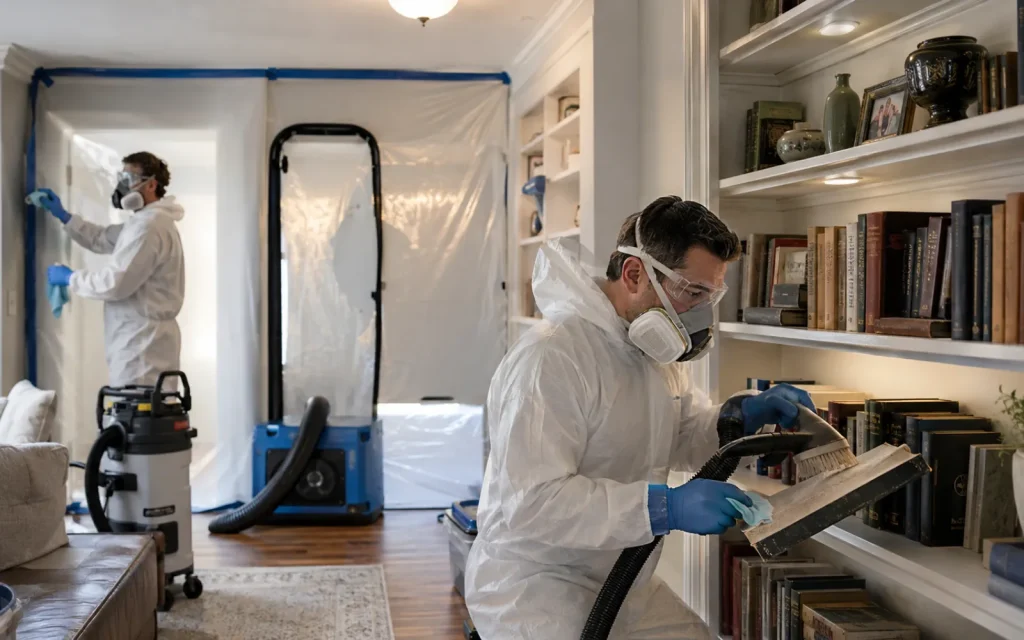
The remediation approach should fit the building and the people involved. A small localized issue in an otherwise healthy property isn’t automatically the same project as a home belonging to somebody whose medical team has raised serious environmental concerns.
If you’ve already received health-related recommendations, tell the remediation professional before the project is scoped. It’s useful context.
Already working with a healthcare provider because of indoor environmental concerns? Let Mold Patrol know when you schedule an assessment so we can understand the property, the areas of concern and the level of environmental investigation that may be appropriate.
What Should You Do If You Think Your Home May Be Part of the Problem?
If you recognize some of the mold exposure symptoms discussed above, the next step isn’t to assume you’ve diagnosed the cause.
A more useful approach is to work through the problem in order.
1. Take ongoing health concerns seriously
If symptoms are persistent, severe, unusual or getting worse, speak with an appropriate healthcare professional.
A mold remediator can inspect your house. We can’t tell you what caused your headache, diagnose an allergy or decide whether you have a medical condition.
2. Think about what’s happened inside the property
Mold needs moisture, so start thinking about water.
Sean says Mold Patrol commonly encounters a range of moisture conditions around Greensboro and Guilford County, including:
- Crawlspace moisture
- Plumbing leaks
- HVAC condensation
- Poor bathroom ventilation
- Roof leaks
- Foundation moisture
- High humidity in basements and crawlspaces
“In Guilford County, we commonly find crawlspace moisture, plumbing leaks, HVAC condensation, poor bathroom ventilation, roof leaks, foundation moisture and high humidity in basements and crawlspaces.”
Sean Brooks
Sometimes the connection is obvious. A pipe burst. A roof leaked. Heavy rain showed you water coming through a part of the building that looked perfectly dry before.
Other times, there’s no obvious patch of mold staring back at you.
That doesn’t mean there’s nothing to inspect.
3. Look for patterns and warning signs
Think about:
- Musty odors
- Visible growth
- Staining
- Recent or recurring leaks
- Damp materials
- Condensation
- High humidity
- Problems in the crawlspace or basement
- Symptoms that seem noticeably different inside the property
Sean also suggests homeowners actually check spaces they rarely visit. Crawlspaces and quiet basement areas can develop moisture problems long before anyone upstairs realizes there’s an issue.
4. Get the building assessed when there’s reason for concern
Sean describes Mold Patrol’s process as starting with the building as a whole.
“We come out, take a look around the outside and do a full inspection. It could be drainage issues getting into the crawlspace. It could be a roof leak. It could be a number of things. Then we go inside and take a look around.”
Sean Brooks
Depending on the property, that investigation may extend through living areas, the attic, crawlspace and known moisture hotspots.
Testing can also play a role when appropriate, but a useful assessment isn’t just about taking a sample and handing somebody a laboratory result. The goal is to understand why the condition exists and what needs to happen next.
Mold Patrol provides professional mold inspections and testing throughout Greensboro, Burlington, Guilford County, Alamance County and nearby North Carolina communities.
You don’t have to figure out whether the problem is mold, moisture, HVAC-related or something hidden behind a wall on your own. A thorough assessment replaces guesswork with a practical plan.
What Root Cause Mold Remediation Actually Involves
Finding mold is only part of the problem.
If you remove visible growth but don’t deal with the moisture that allowed it to develop, you haven’t really solved the problem.
That root-cause approach is central to the way Mold Patrol handles remediation. Our professional mold remediation process focuses on mold, moisture and the conditions affecting the indoor environment rather than treating the job as a quick cosmetic cleanup.
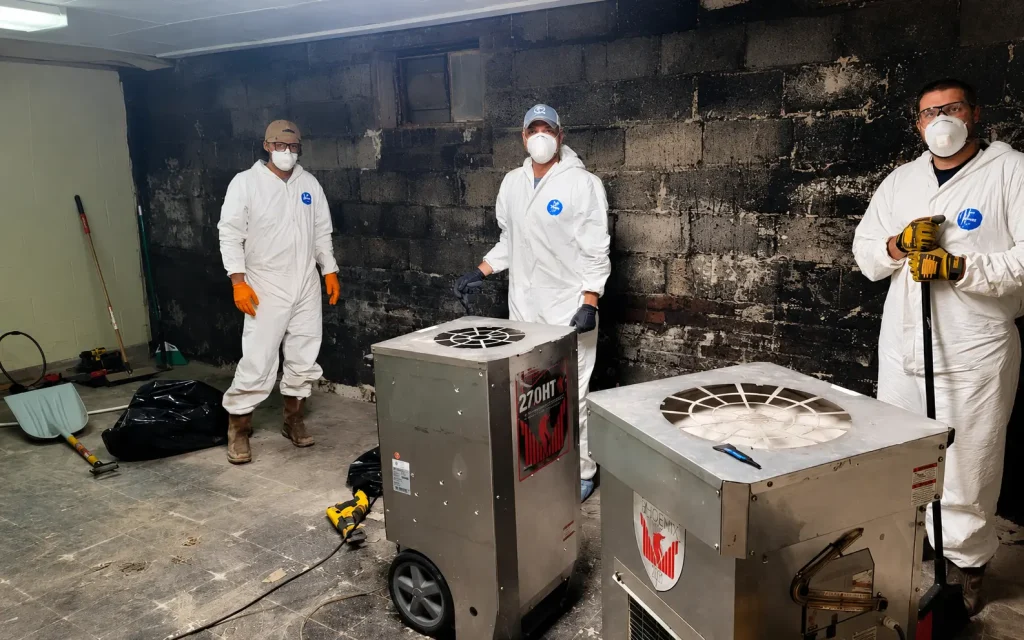
The exact scope depends on the property, but Sean describes the broader process as including inspection, targeted testing when appropriate, containment, controlled material removal, HEPA filtration, detailed cleaning and post-remediation checks.
“We’ll go into the home and set up airtight containments so that once we start tearing out whatever we need to tear out, the contamination doesn’t go through into the rest of the home. We’ll have HEPA vacuums, air scrubbers and negative air in the area we’re working.”
Sean Brooks
Containment matters because remediation itself disturbs affected materials.
If you start tearing out drywall, flooring or cabinetry without controlling the work area, you risk moving contamination into parts of the property you weren’t originally trying to remediate.
Sean says Mold Patrol tapes containment so it’s extremely tight and uses air scrubbers and negative pressure to help control air movement during the work.
Once affected materials have been addressed, cleaning the work area is another critical step. Depending on the project, Mold Patrol may then move into post-remediation inspection or testing to assess whether the remediation objectives have been met.
For homeowners worried about mold exposure symptoms, this attention to control can be particularly reassuring. The aim isn’t just to make the visible patch disappear. It’s to handle the affected environment carefully and address the conditions that created the problem.
And in Greensboro, those conditions often come back to moisture: crawlspaces, plumbing, HVAC condensation, ventilation, roofing, foundations and humidity.
If you’re local to Guilford County, you can learn more about mold remediation in Greensboro, NC. Mold Patrol works with homeowners, property managers and commercial clients dealing with mold, moisture, testing and indoor air quality concerns throughout Greensboro and nearby communities.
If you’ve found mold or you’re dealing with a moisture problem that keeps coming back, don’t settle for covering up the symptom. Mold Patrol can help identify the source and build a controlled remediation plan around what’s actually happening inside the property.
Mold Exposure Symptoms Are a Reason to Investigate, Not Self-Diagnose
If you’ve been searching mold exposure symptoms because something doesn’t feel right at home, you probably want a clear yes-or-no answer.
Unfortunately, buildings and bodies usually aren’t that simple.
Some people report sneezing, congestion, irritated eyes, coughing, headaches, skin irritation or worsening asthma around mold-affected environments. Other people living in exactly the same property may notice nothing at all.
Sometimes people notice they feel better after leaving the house and worse again after returning. That pattern can be meaningful enough to investigate, but it still isn’t a medical diagnosis.
The most useful approach is to separate the two questions.
Your healthcare provider can help you understand what’s happening with your health.
Mold Patrol can help you understand what’s happening with your home.
That means looking beyond the visible mold to moisture, drainage, plumbing, HVAC conditions, crawlspaces, humidity, hidden areas and the other factors that may be contributing to the indoor environment.
You don’t need to jump immediately to the worst conclusion, but you don’t need to ignore a persistent concern either.
If you’re seeing mold, smelling musty odors, dealing with recurring moisture or wondering whether your indoor environment deserves a closer look, Mold Patrol can help you figure out what’s going on and what the next step should be.